







Search Results for: washing feet in a water pool
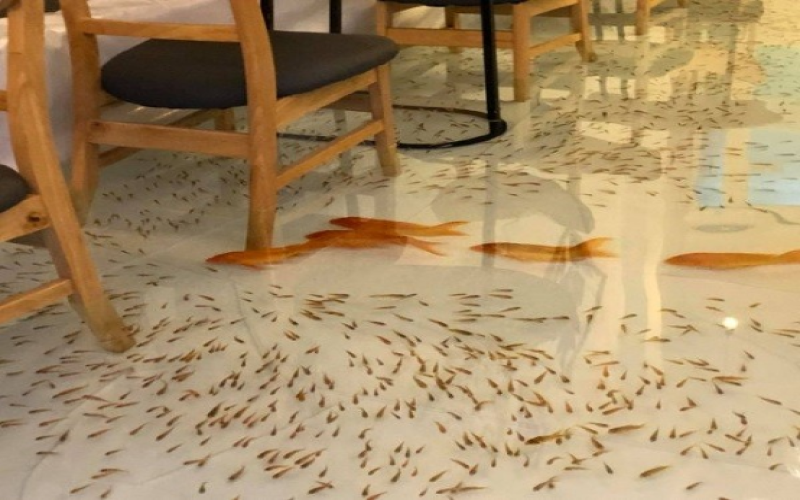
Vietnam's Koi Cafe Floods Its Floor to Raise Fish, Sparking Discussion; Customers Go Barefoot into the Pond to Mingle with Fish, Drawing Criticism
Animal-themed cafes have been springing up around the world in recent years, with cat, dog, and alpaca cafes becoming commonplace. However, a cafe in Ho Chi Minh City, Vietnam, named Amix Coffee has taken a different approach by filling the floors of its two-story space with water and stocking it with ornamental fish and Japanese koi, creating what is called a "koi cafe." Customers must take off their shoes and wash their feet before entering the pool to interact with the fish up close. While this idea is eye-catching, it has also sparked heated debates over animal welfare, hygiene, and safety. Some netizens criticized the practice as inhumane, saying it could crush the fish to death or spread disease. Meanwhile, South Korea has announced a ban on exhibiting wild animals outside of zoos, bringing the boundary issues of animal-themed cafes back into the public eye. [more…]

Mixue Bingcheng employee washing feet in sink sparks heated discussion, official response says it was emergency treatment for a scald
Recently, a video of a Mixue Bingcheng employee washing his feet in a sink inside the store spread rapidly online, drawing widespread attention. In the video, a man in a black work uniform is rinsing his feet in a sink behind the counter, with milk tea buckets and operating tools placed nearby, a scene that is shocking. Mixue Bingcheng later responded that the employee had scalded his foot at work and used cold water as an emergency treatment, and that the store involved had been ordered to close for disinfection and carry out rectification training. However, some netizens questioned the official explanation, saying the man's movements were calm and did not look like someone who had been scalded. The incident continued to escalate, and food safety and hygiene issues once again became the focus of public opinion. [more…]
A Complete Guide to Jamaican Blue Mountain Coffee Beans: From History and Grading to Authenticity Verification and Front Street Brewing Tips
Blue Mountain coffee is hailed as the king of coffee, but do you really know it? From the perspective of Front Street Coffee, this article systematically reviews the cultivation history, geographical conditions, grading system, processing methods, and famous estates of Jamaican Blue Mountain coffee, and includes Front Street Coffee's brewing parameters and flavor description. At the same time, it teaches you how to distinguish authentic Blue Mountain No. 1 from Blue Mountain flavor blend beans on the market through four dimensions: appearance, feel when grinding beans, aroma, and taste. Whether you are a beginner enthusiast or a veteran gourmet in pursuit of the ultimate flavor, this content can help you understand Blue Mountain coffee more comprehensively and avoid common pitfalls in purchasing and tasting. [more…]
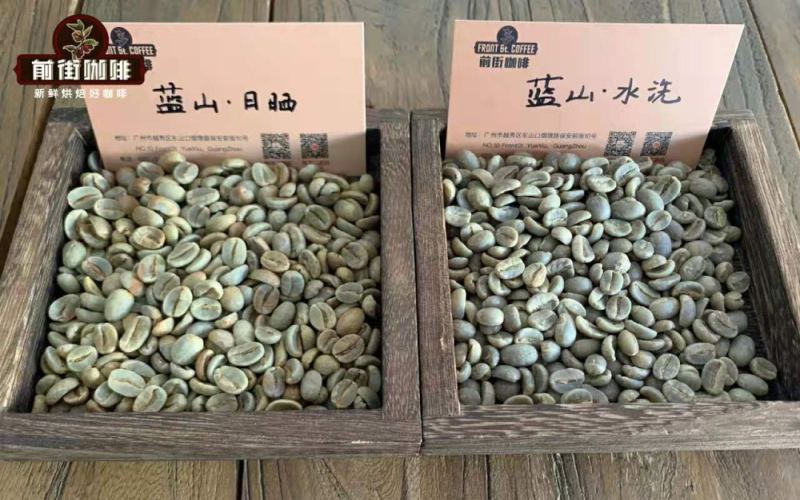
First Attempt at Natural Process Jamaican Blue Mountain Coffee: Analyzing the Differences Between Natural and Washed Blue Mountain
Jamaican Blue Mountain coffee has always been renowned for its washed processing method, and its balanced flavor of acidity, sweetness, and bitterness along with its elegant aroma has captivated countless coffee enthusiasts. However, in the 2020 new crop season, the historic Clifton Estate introduced sun-dried Blue Mountain coffee beans for the first time, which undoubtedly broke the traditional impression of Blue Mountain coffee. Sun-dried and washed—two completely different processing methods—what kind of flavor changes will they bring to Blue Mountain coffee? This article will delve into the origin background, export standards, and variety characteristics of Blue Mountain coffee, and provide a detailed comparison of the specific differences between the washed Blue Mountain and sun-dried Blue Mountain listed by Front Street Coffee in terms of green beans, roasting, brewing, and flavor, giving you a comprehensive understanding of this novel creation. [more…]
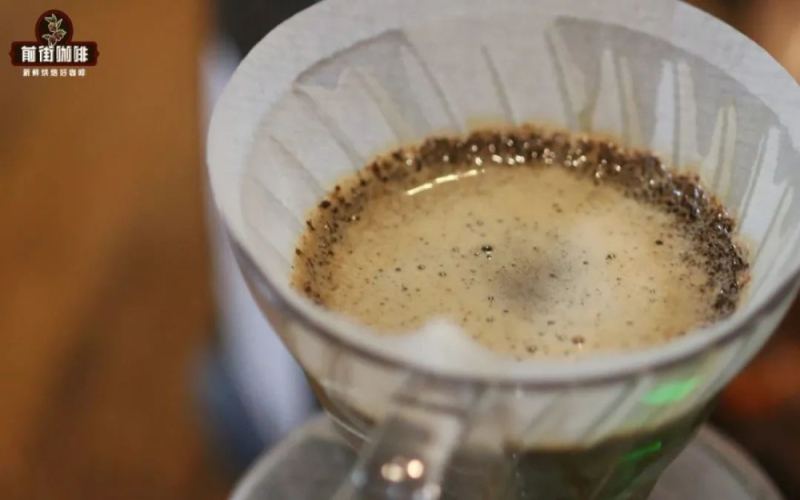
Three key time points for judging whether water accumulation will occur during the pour-over brewing process
One of the most frustrating problems in pour-over coffee is water pooling. Once clogging occurs in the final stage of brewing, the coffee's flavor often turns bitter and undrinkable. In fact, before the pouring is finished, there are several time windows where you can predict in advance whether pooling will happen. As long as you master these judgment methods, you can adjust your pouring strategy in time and avoid ending up in a passive position. This article will focus on three key time points—the degree of bloom expansion, the foam performance during pouring after the bloom, and the speed at which the water level drops before the final pour—to explain one by one how to identify the risk of pooling and give corresponding countermeasures. It will also introduce the ultimate solution when all methods fail—flow cutoff—and how to deal with the problems of overly high coffee concentration and missing flavor after flow cutoff. [more…]
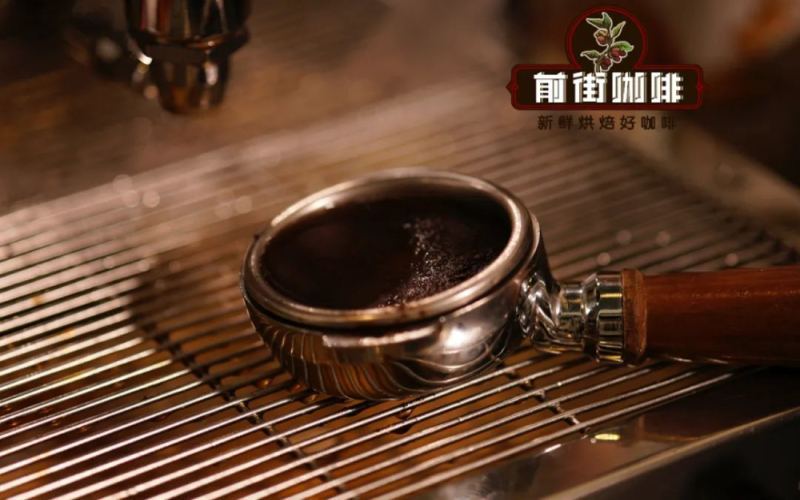
After espresso extraction, water pools in the portafilter basket? Analyzing the relationship between the basket, dispersion screen, and parameter adjustments
Many espresso enthusiasts have encountered this situation: after extraction, you remove the portafilter and find the puck wet and soft, unable to hold its shape, with a pool of water still sitting at the bottom of the basket. This is clearly not an ideal extraction state. Is the problem with the basket or the dispersion screen, or do the extraction parameters need adjustment? This article will analyze the possible causes of water accumulation one by one from the perspectives of grind size, coffee bean freshness, dose matching, group head cleanliness, and machine pressure, and provide corresponding solutions. The article will also share Front Street Coffee's dose control experience from daily dialing-in to help you find the root of the problem and return espresso extraction to a dry, intact puck state. [more…]
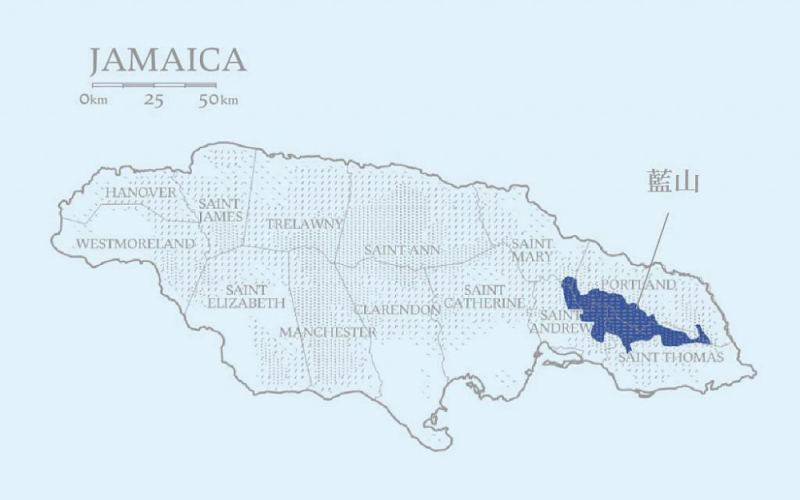
Jamaica Blue Mountain No.1 Pour-Over Guide: A Complete Breakdown from Regional Certification to KONO Dripper Parameters
Blue Mountain No. 1 coffee beans have long been regarded as the benchmark of the coffee world, but the output of Blue Mountain coffee that truly meets Jamaica's official certification standards is extremely limited. From the perspective of Front Street Coffee, this article systematically sorts out the producing region definition and grading system of Blue Mountain coffee, introduces the cultivation background of Clifton Farm and the differences between the washed and natural processing methods, and provides specific pour-over parameter recommendations—15 grams of grounds, a 1:15 coffee-to-water ratio, 88°C water temperature, a KONO dripper, and a grind size with 75% passing through a No. 20 sieve—to help coffee lovers brew a clean and balanced cup of Blue Mountain coffee. [more…]
Ethiopian Yirgacheffe and Sidamo: A Complete Analysis of Natural and Washed Processing Methods, Flavor, Mouthfeel, and Regional Characteristics
Yirgacheffe and Sidamo are both representatives of Ethiopian specialty coffee, yet they present distinctly different flavor profiles due to differences in terroir and processing methods. This article systematically sorts out the core characteristics of the two major producing regions, from regional geography, historical origins, green bean grading, and processing techniques to roasting and brewing, and provides an in-depth analysis of the impact of natural and washed processing methods on coffee flavor. The article also introduces the operating mechanism of the Red Cherry Project, as well as the roasting and brewing parameters of Front Street Coffee's recommended Yirgacheffe Red Cherry G1, providing coffee enthusiasts with a complete framework for flavor understanding. [more…]
Yirgacheffe vs. Sidamo: A Comprehensive Comparison—An In-Depth Interpretation of Regional Terroir, Processing Methods, and Flavor Differences
Yirgacheffe and Sidamo both belong to Ethiopia's specialty coffee landscape, yet each has its own character due to differences in altitude, microclimate, and processing methods. This article systematically reviews the flavor characteristics and differences of the two regions, from their geography and historical origins, green bean grading, natural and washed processing techniques, roasting curves to brewing parameters, and takes an in-depth look at the full performance of Front Street Coffee Yirgacheffe Red Cherry G1 and Front Street Coffee Sidamo Shakiso, helping coffee lovers understand the causes behind citrus florals and fermented fruit-wine aromas. [more…]

Jamaica Blue Mountain Geisha vs. Classic Blue Mountain: A Comparative Analysis of Natural Processing and Clifton Estate Innovation
In 2020, Jamaica's Clifton Estate broke the decades-old tradition of Blue Mountain coffee, not only launching sun-dried Blue Mountain on a large scale, but also cultivating and exporting the Geisha variety for the first time. This batch of Blue Mountain Geisha was packaged in wooden barrels, produced in scarce quantities, and carries Rainforest Alliance certification. This article will present Front Street Coffee's exploration of this innovative batch in full, from the estate's history, the origins of the Geisha variety, the washed processing method, and the roasting curve, to cupping and brewing insights. Just what kind of flavor will the combination of Blue Mountain and Geisha bring? How does one choose between the traditional Blue Mountain taste and Geisha's floral aroma? Let us taste and see together. [more…]
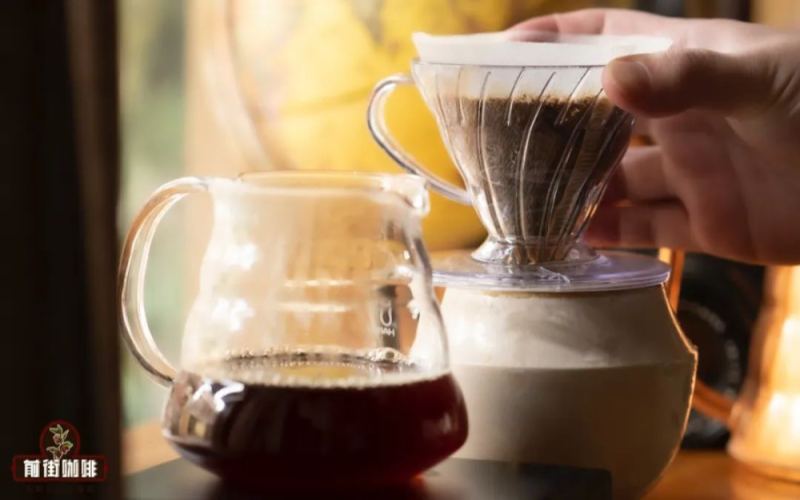
How to Deal with Clogging and Water Pooling in Pour-Over Coffee? Three Key Signals to Watch for When Brewing Light Roast Beans
During pour-over brewing, when fine particles clog the filter and drainage slows down, you often have no choice but to cut off the flow as an emergency measure—but if you're even slightly late, the bitter, over-extracted taste ruins the entire cup. Rather than reacting passively, it's better to anticipate the clog before it happens. Drawing on the characteristics of light-roasted beans, Front Street Coffee shares how to judge whether water will pool during brewing based on three aspects—the degree of expansion during blooming, the foam behavior, and the rate at which the water level drops—and offers corresponding adjustment techniques to help you reduce the negative impact when a clog occurs, while also getting to the true root of the problem. [more…]
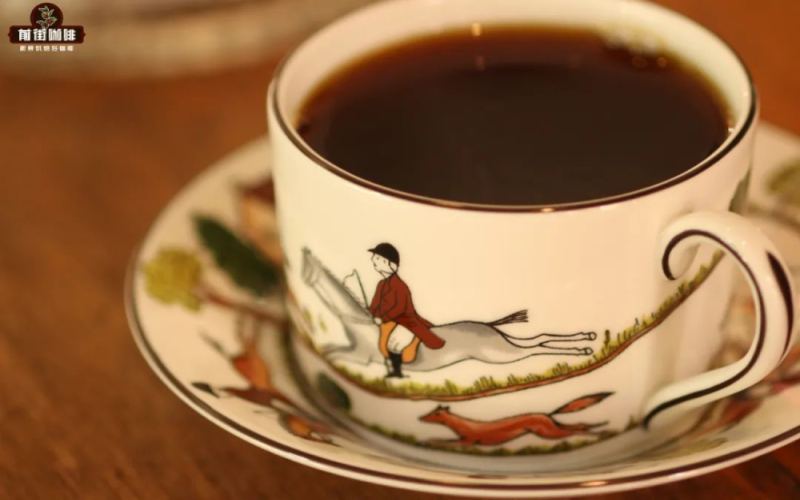
Mandheling vs. Blue Mountain Coffee Comparison: A Full Analysis of Brewing Key Points and Flavor Differences for Full-Bodied Coffees
Both are full-bodied coffees, yet Indonesian Golden Mandheling and Jamaican Blue Mountain take strikingly different flavor directions. The former is known for its spicy, herbal notes and rich mouthfeel, while the latter is famed for its balance of acidity, sweetness, and bitterness, along with a clean, smooth character. Front Street Coffee systematically breaks down the differences between these two coffees—from their origin backgrounds and processing methods to roasting approaches and brewing parameters—to help coffee lovers understand their respective style characteristics and offer specific brewing suggestions, so you can brew your ideal cup at home. [more…]
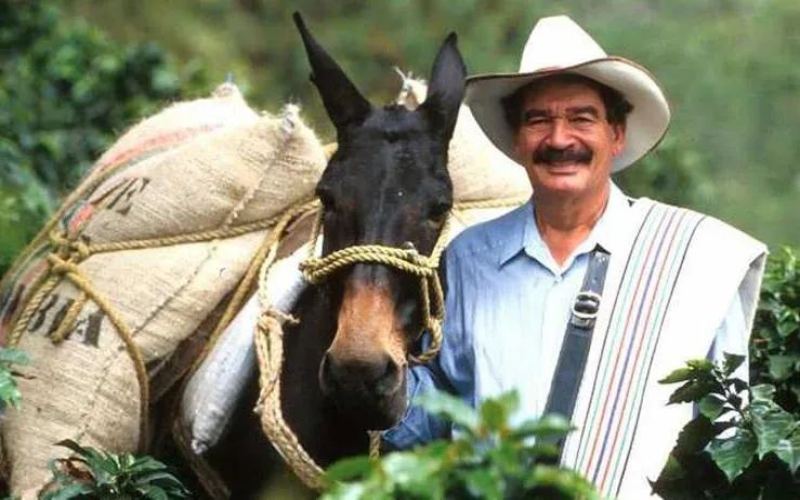
How to Choose Colombian Coffee Beans? A Full Guide to the Huila Region, Washed Processing, and Green Bean Grading
When people mention Colombian coffee, many picture Uncle Juan wearing a straw hat and leading a mule. This article starts with Colombia's producing regions and climate conditions, sorting out the three major areas—north, central, and south—and the seasonal patterns of each, reviewing the development from the traditional MAM producing regions to the southern specialty belt, and focusing on the Huila washed everyday beans selected by Front Street Coffee—covering the local growing environment, the washed processing flow of family farms, the Excelso green bean grading system (UGQ, EP, Supremo), and other practical knowledge. Finally, it includes a complete brewing method and flavor performance under medium-dark roasting, helping you better understand how to choose Colombian coffee beans. [more…]
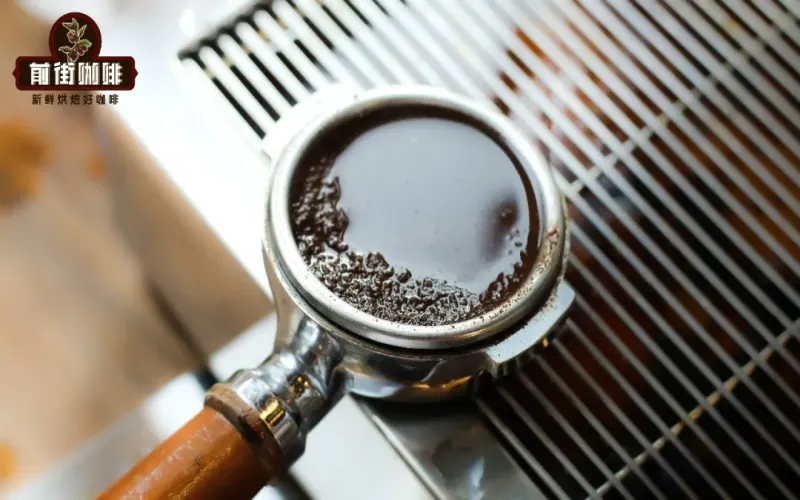
A Complete Analysis of the Causes of Water Pooling in Espresso Portafilters: How Dose, Grind Size, and Machine Condition Affect Puck Formation
After pulling an espresso shot, standing water left in the portafilter basket and a wet, mushy puck that won't hold its shape are problems many coffee enthusiasts run into. This article systematically sorts out several common causes of water pooling in the basket: too small a dose, a grind that is too coarse or too fine, and unstable pressure delivery from the espresso machine. The article points out that standing water is essentially a reflection of the extraction parameters and the machine's condition, and does not necessarily mean the coffee will taste bad; what truly affects flavor is the parameter error itself. Front Street suggests that if the flavor is off, you should first adjust the dose or the grind parameters to correct the coffee's taste, rather than simply fixating on the standing water. [more…]
Analysis of the Causes of Slow Drawdown in the Final Phase of Pour-Over Brewing and Practical Solutions
The total brew time of a pour-over is shaped by multiple factors at once—grind size, how the particles take on water, the pouring technique, and the design of the dripper—making it very hard to control precisely. Many people new to pour-over habitually use time as the standard for judging whether the flow rate is normal. Once the flow at the tail end of the brew refuses to come down, the extraction time gets dragged out and the coffee easily picks up bitter, off-flavors. This article focuses on the common frustration of standing water at the tail end of a pour-over, analyzing the causes one by one—from the quality of the coffee grind, the roast level of the beans, the pouring technique, and puck management—and offers the corresponding solutions summarized by Front Street to help you find the real reason behind the slow drainage and adjust accordingly. [more…]
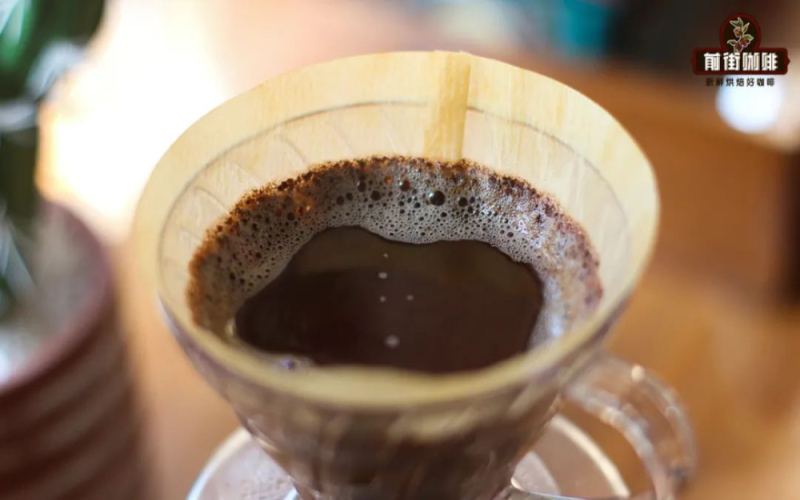
Why does pour-over coffee develop pooling that resembles channeling? Analyzing the main causes of slow drainage
Many coffee enthusiasts teach themselves pour-over brewing by watching tutorial videos, but when they actually try it, they often find that the dripper drains far more slowly than in the videos, and water pooling in the coffee bed drags out the total brew time. What exactly causes this pooling phenomenon, which resembles channeling? Front Street Coffee believes the problem mainly comes from three areas: a mismatch between the chosen video and one's own coffee beans, the influence of grind size and ultra-fine particles, and differences in pouring technique. This article will analyze everything from roast level, bean freshness, and grinder quality to pouring method, to help everyone find the root cause of slow drainage and offer practical adjustment ideas, making the pour-over process more controllable. [more…]
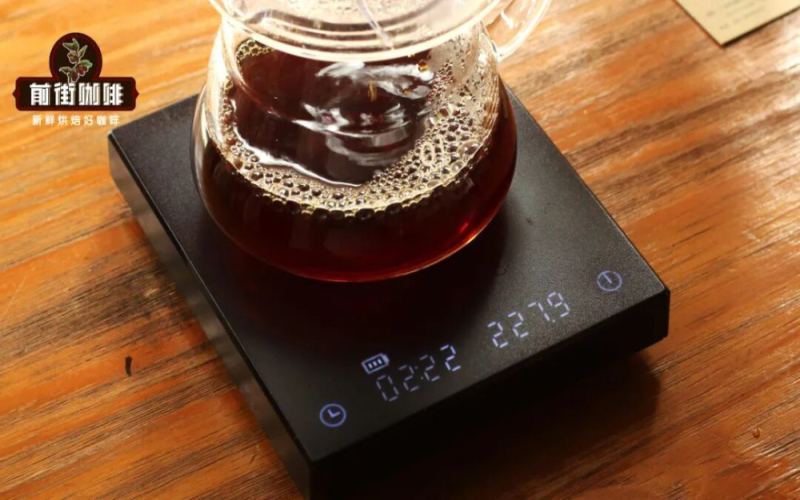
Pour-over coffee draining slowly or taking too long to extract—what to do? Find out the causes of water pooling and practical adjustments.
In pour-over coffee, extraction time is often the most difficult variable to control. Many coffee enthusiasts, when brewing at home, have encountered the situation where hot water is slow to drain through and the time gets dragged out. To avoid over-extraction, some people remove the dripper early, but is this really effective? Starting from the brewing framework commonly used at Front Street, this article sorts out several main reasons for slow flow and water retention, including too many fines, improper pouring technique, and the characteristics of light-roasted beans, and offers corresponding solutions to help you improve your brewing performance without changing equipment. [more…]
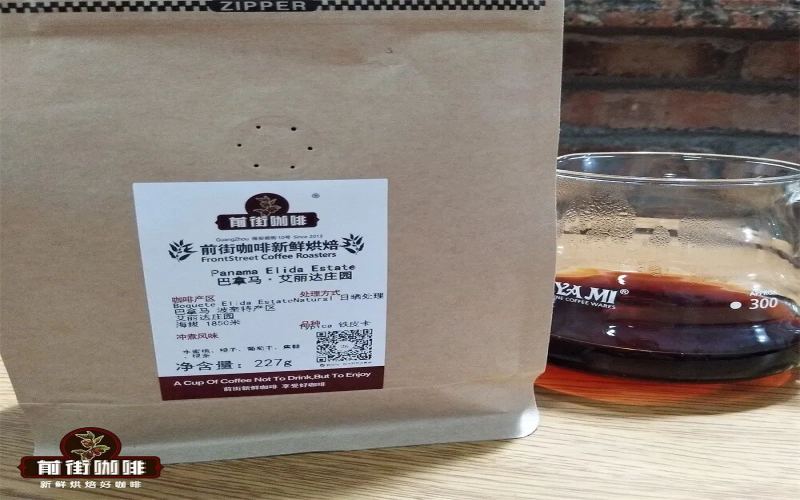
Coffee Varieties | Are Geisha and Gesha coffee the same variety? How was Geisha discovered? What are the differences between Yirgacheffe and Geisha coffee?
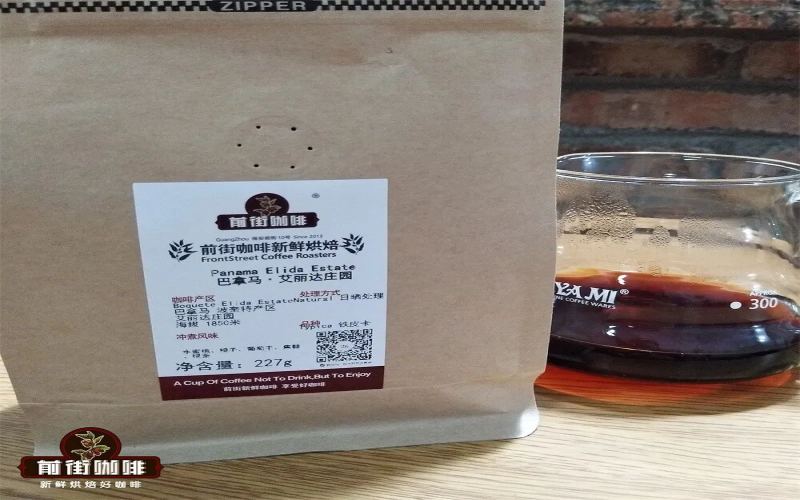
We know that Geisha coffee is very delicious and also very famous, but do you know how Geisha coffee got its name? There are many ways to name coffee: some are named after the producing country or region, and some are named after the estate, while Geisha is the name of a coffee variety. Geisha refers to a coffee variety, called Geisha/Ge in English. [more…]
The Origin of Geisha Coffee | What Are the Flavor and Taste Characteristics of Panama Geisha Coffee? What Is the Difference Between Geisha and Yirgacheffe, and Which One Tastes Better?
We know that Geisha coffee is very delicious and famous, but do you know how Geisha coffee got its name? There are many ways to name coffee—some are named after the producing country or region, and some are named after the estate—while Geisha is the name of a coffee variety. Geisha refers to a coffee variety, called Geisha in English. [more…]
Analysis and Solutions for Residual Water in the Portafilter Basket After Espresso Extraction
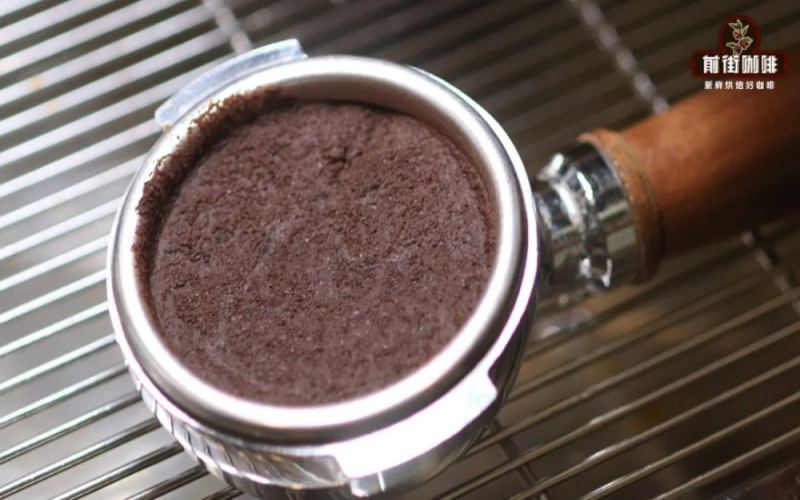
After pulling an espresso shot, the ideal puck should be dry, intact, and come out in one solid piece without crumbling. But in practice, many coffee lovers run into a soggy, muddy puck with standing water at the bottom of the basket. This abnormal phenomenon is usually linked to four factors: grinding too fine, coffee beans stored too long so they lose carbon dioxide, too large a gap between the puck and the dispersion screen, and unstable extraction pressure in the espresso machine. This article breaks down the principle behind each cause one by one and offers corresponding troubleshooting and adjustment methods to help you quickly pinpoint the problem and get back to normal extraction. [more…]